7 Types of Social Proof for Onboarding and Paywalls
In short
Social proof is evidence matched to uncertainty, not decoration. Reviews answer similarity, user counts adoption, press mentions coverage, studies evidence, outcome percentages reported progress, ratings and awards external recognition, and live activity whether the product is active now. Choose proof by the user’s doubt, verify it, and place it at the decision point.
Social proof is not one component. I use seven practical types—each answers a different doubt. This guide shows how to choose the right proof, verify it, and place it without adding noise.
Users look for other people's experience when a decision feels uncertain: Can I trust the promise? Is onboarding worth my time? Should I start the trial or pay? Social proof can reduce that uncertainty, but only when the person, group, or institution is credible to this user and relevant to this decision.
Start with the doubt, not the component. Ask: What is the user uncertain about now, and who is credible enough to answer it?
The seven-type decision map
Reviews answer similarity. User counts answer adoption. Press mentions answer coverage. Studies answer evidence. Outcome percentages answer reported progress. Ratings and awards answer external recognition. Live activity answers whether the product is active now.
Where social proof fits in the journey
Early onboarding: reviews and relevant user counts can answer, “Is this for someone like me, and is it an established choice?”
Before a high-stakes claim, sign-up, trial, or paywall: studies, outcome data, ratings, and awards can help users evaluate evidence and external recognition.
Inside a community or social product: verified live activity can answer whether meaningful participation is happening now.
This is not a fixed placement recipe. The right position depends on the doubt active at that moment.
1. Reviews — Will it work for someone like me?
A useful review gives the user a recognizable reference point: a person with a similar goal, problem, context, and available resources. Generic praise says the product is liked. A relevant story helps the user judge whether the same path could fit them.
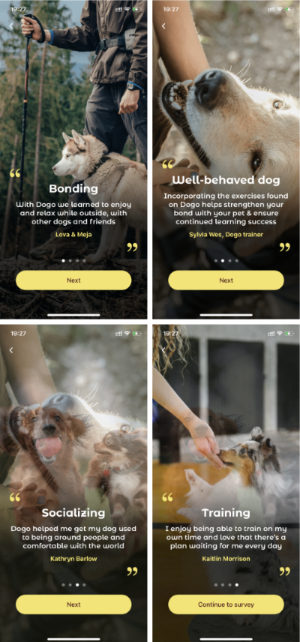
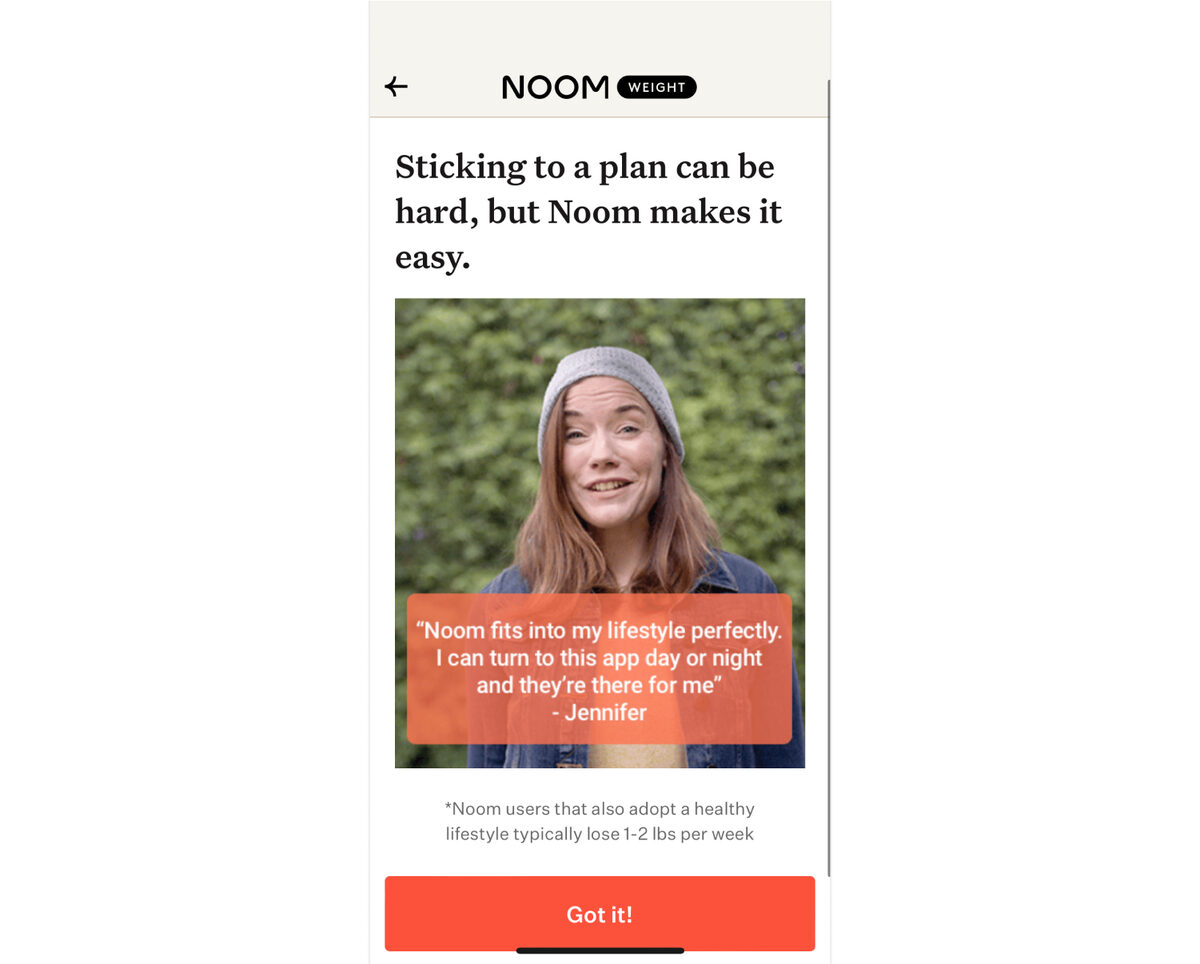
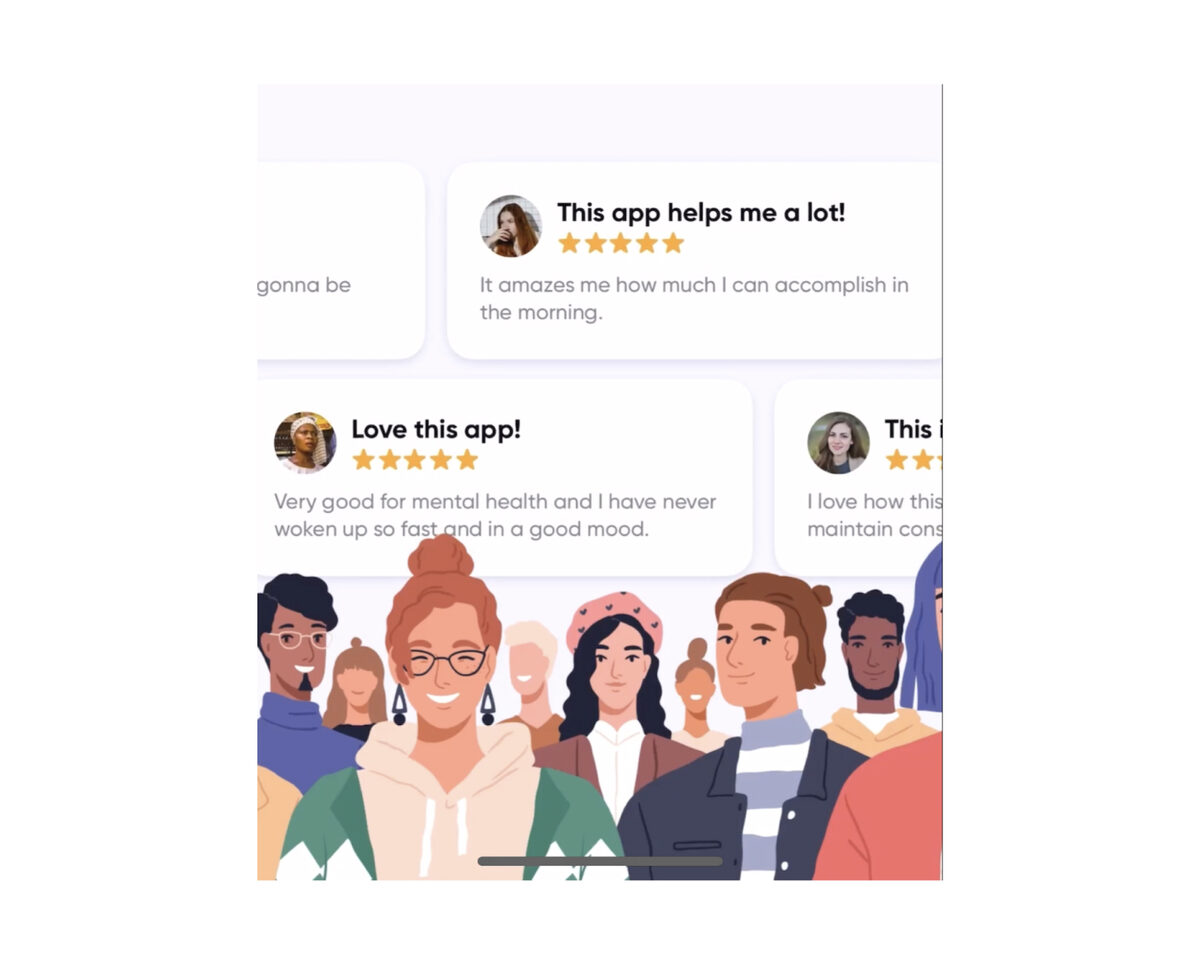
Use reviews when you can show a real, attributable experience; match it to the user's goal and context; describe the problem, action, and result; and place it close to the claim it supports. Avoid anonymous superlatives, stock portraits, and one generic quote for every segment.
2. User counts — Is this an established choice?
A user count can show that a product is established, but size alone does not answer whether it is relevant. “50,000 product managers” is more informative to a product manager than “5 million users” with no context. The strongest number is not always the largest one. It is the number that defines a credible reference group.
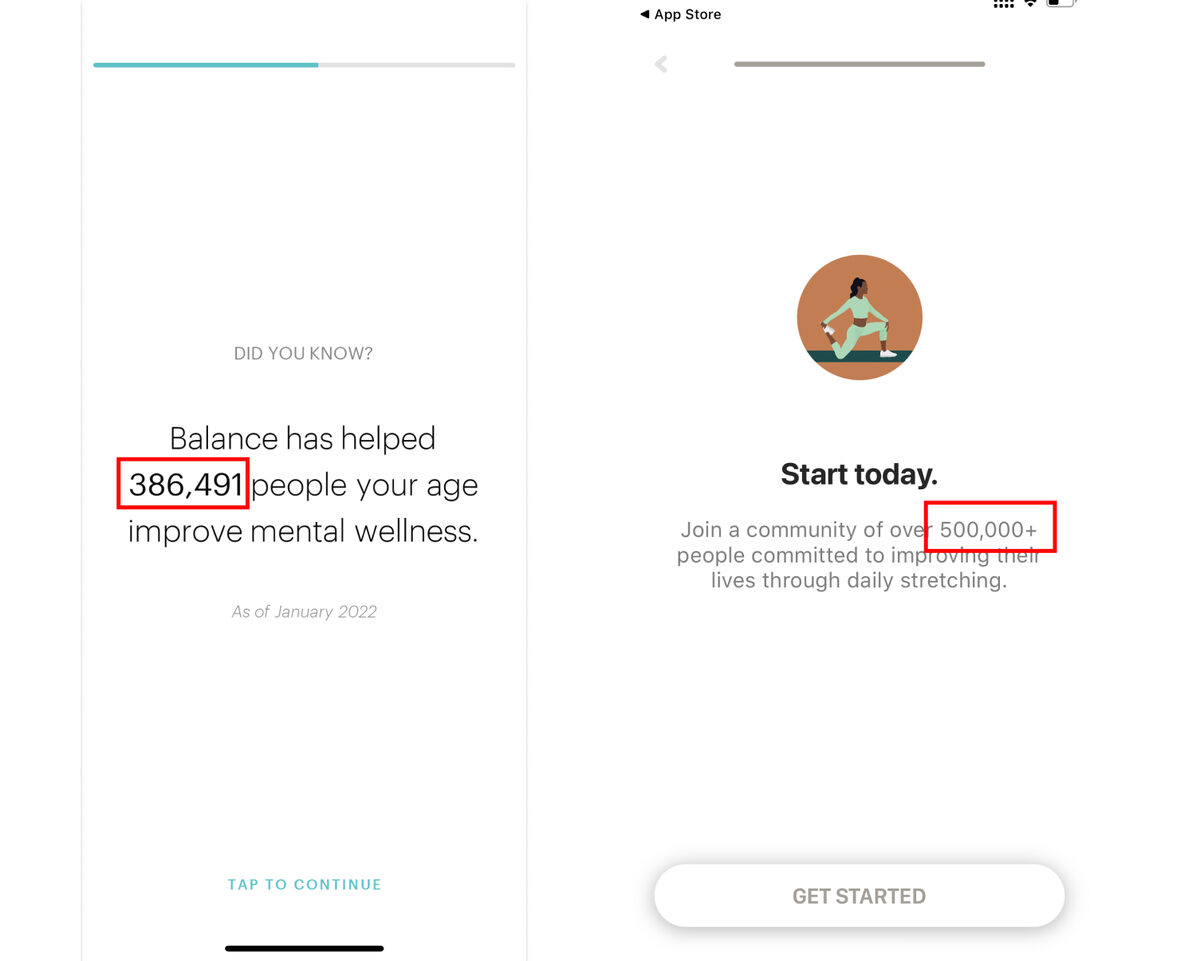
Define what is being counted, keep the number current, and use the most relevant cohort available. Do not present registrations as active users, downloads as outcomes, or a global total as proof that the product fits this user.
3. Press mentions — Was it actually covered?
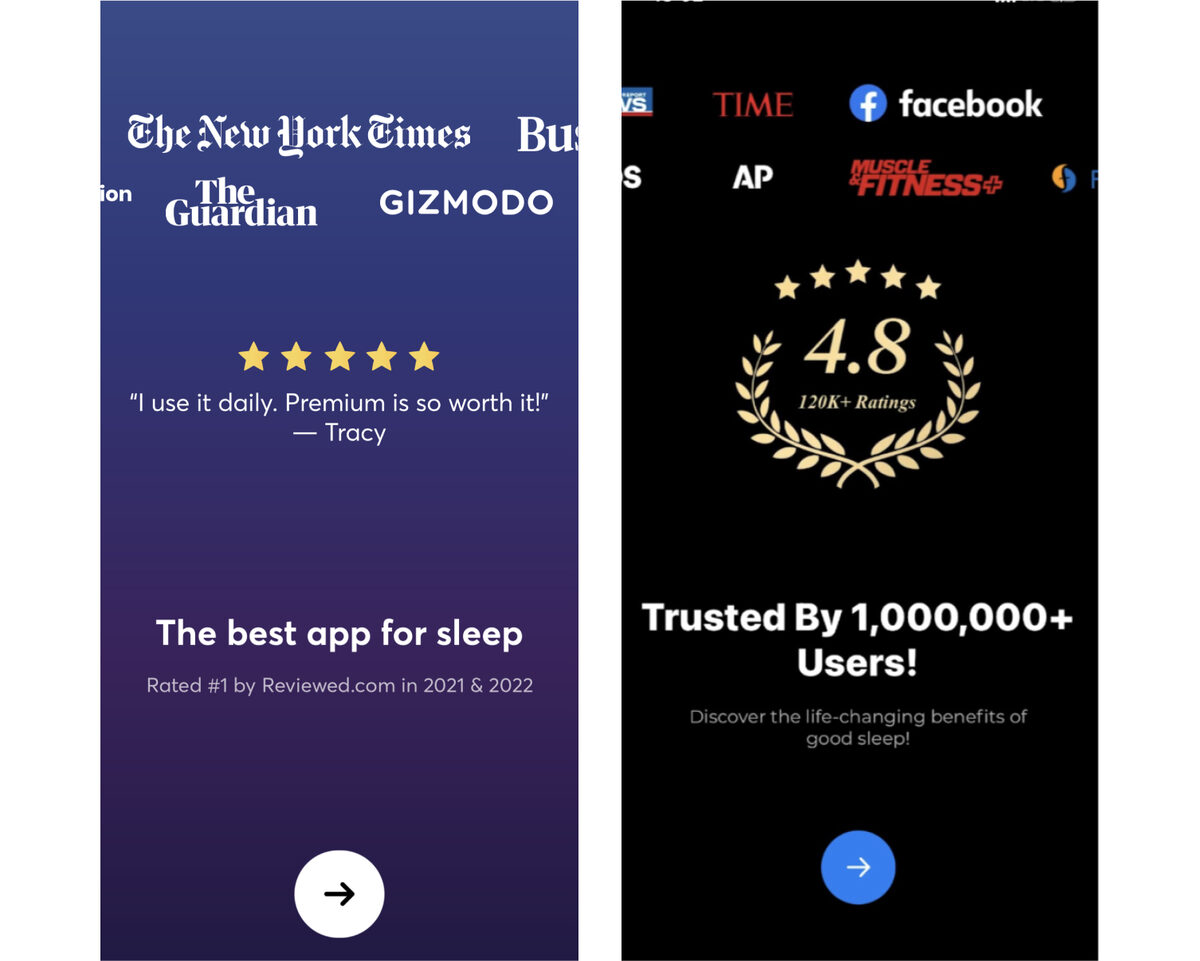
Press proof can transfer credibility from a publication to the claim, but only when the coverage exists and the publication matters to the audience. A row of logos is an assertion made by the product. It is not evidence of what was written, reviewed, or endorsed.

Show the publication, article title, date, and a link to the original coverage. Quote only what the article actually says. Do not turn a mention into an endorsement or use authority that is irrelevant to the user segment.
4. Studies — Is the promise evidence-based?
Research proof can help users evaluate a high-stakes promise. The name of a university, journal, or expert is not enough. The useful part is the evidence chain: what was studied, in whom, for how long, with which outcome, and how directly it supports the product claim.
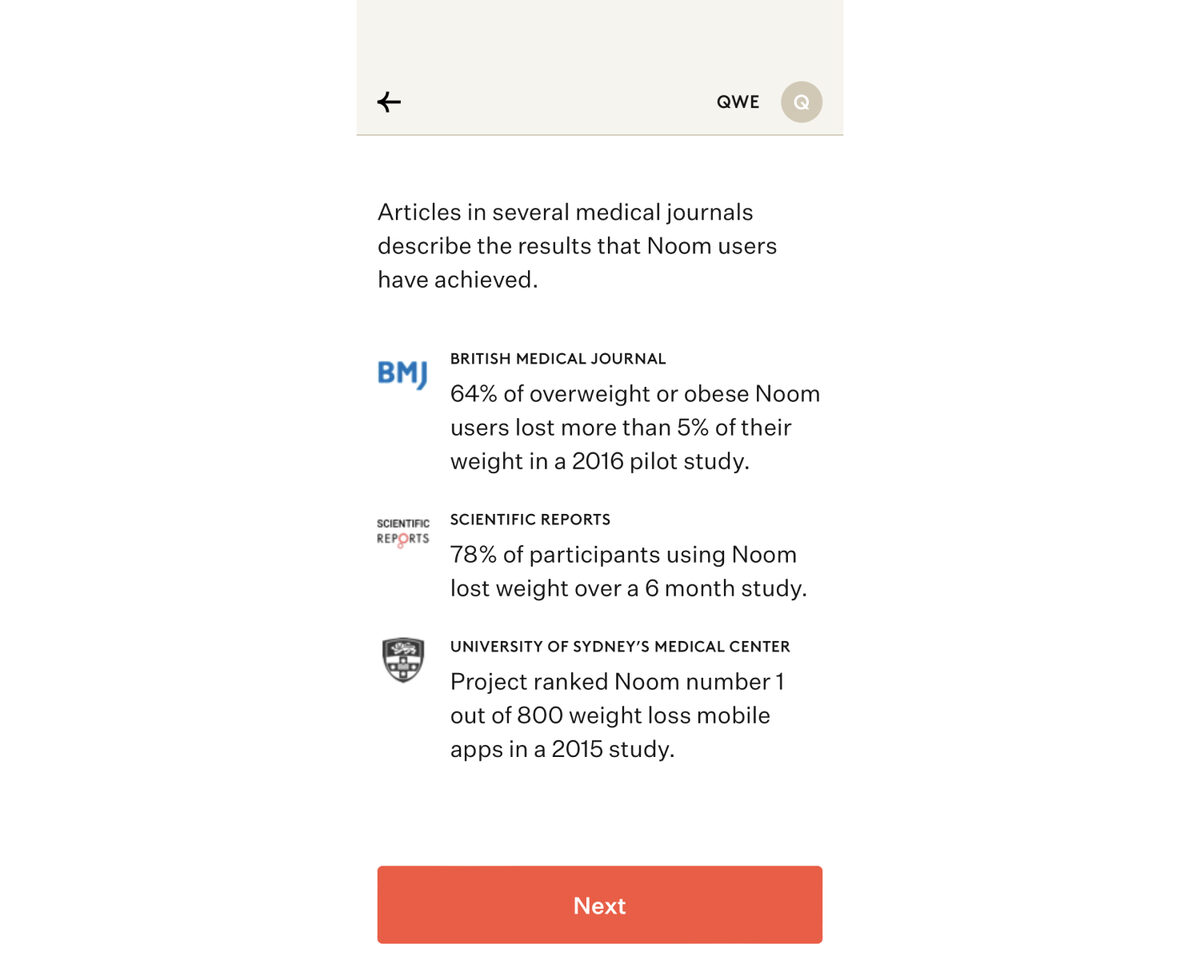
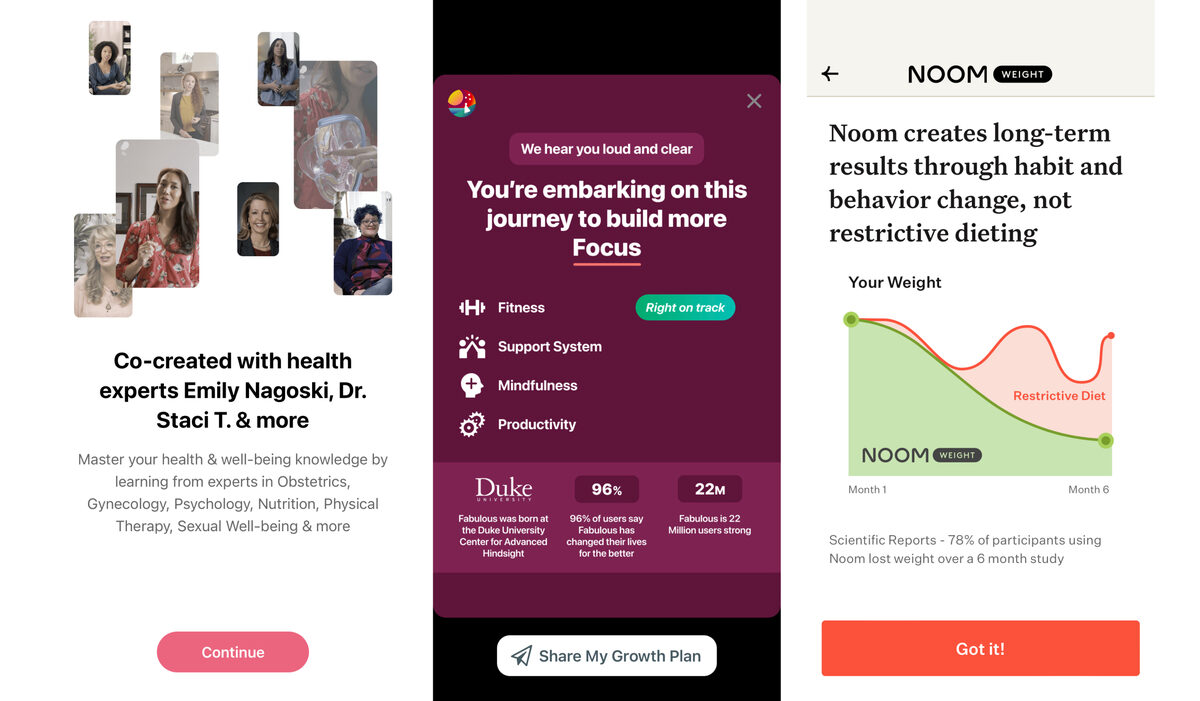
Link the primary source, state what was measured, expose the population and time period, and keep the boundary visible. “Based on science” is not a substitute for a study. Expert participation is not proof that the finished product produced the advertised outcome.
5. Outcome percentages — How often do users report progress?
Outcome percentages are more specific than a review or user count. They can answer how common a reported result was, but the percentage is only interpretable with its denominator and method. “95% improved” can mean a randomized measure, a survey of retained users, or a small voluntary sample. Those are not the same claim.
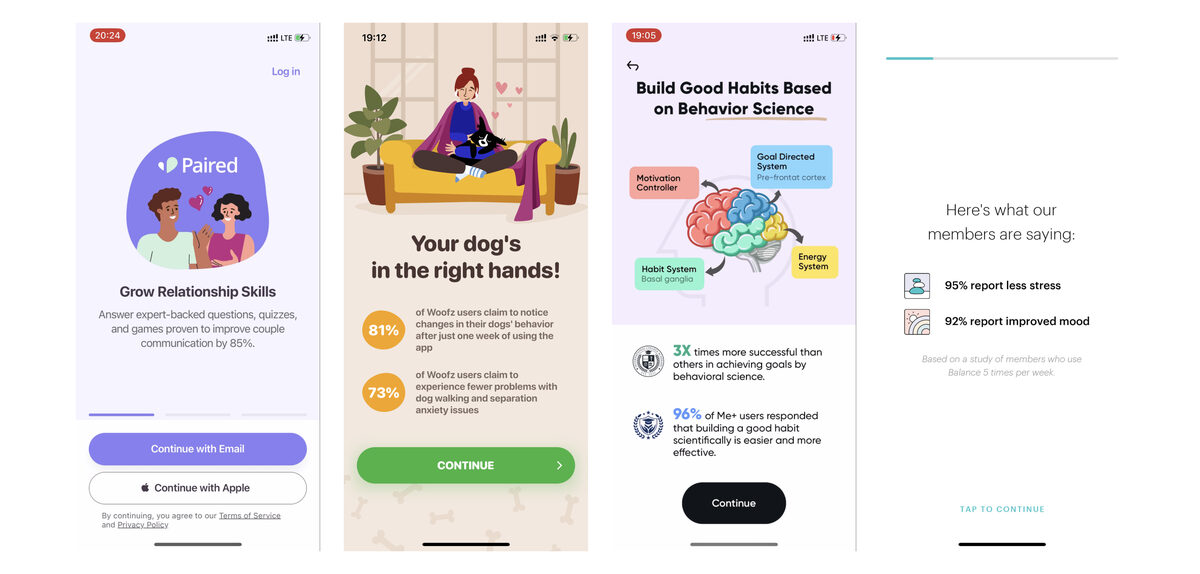
Show the sample size, time period, measure, method, and source. Separate self-reported progress from measured outcomes. Explain who was excluded. Without this context, precision can make a weak claim look stronger than it is.
6. Ratings and awards — Was quality recognized externally?
Ratings and awards can provide a fast external quality signal. A rating is useful when users can see where it came from, how many ratings support it, and how current it is. An award is useful when the awarding organization, category, and year are clear.
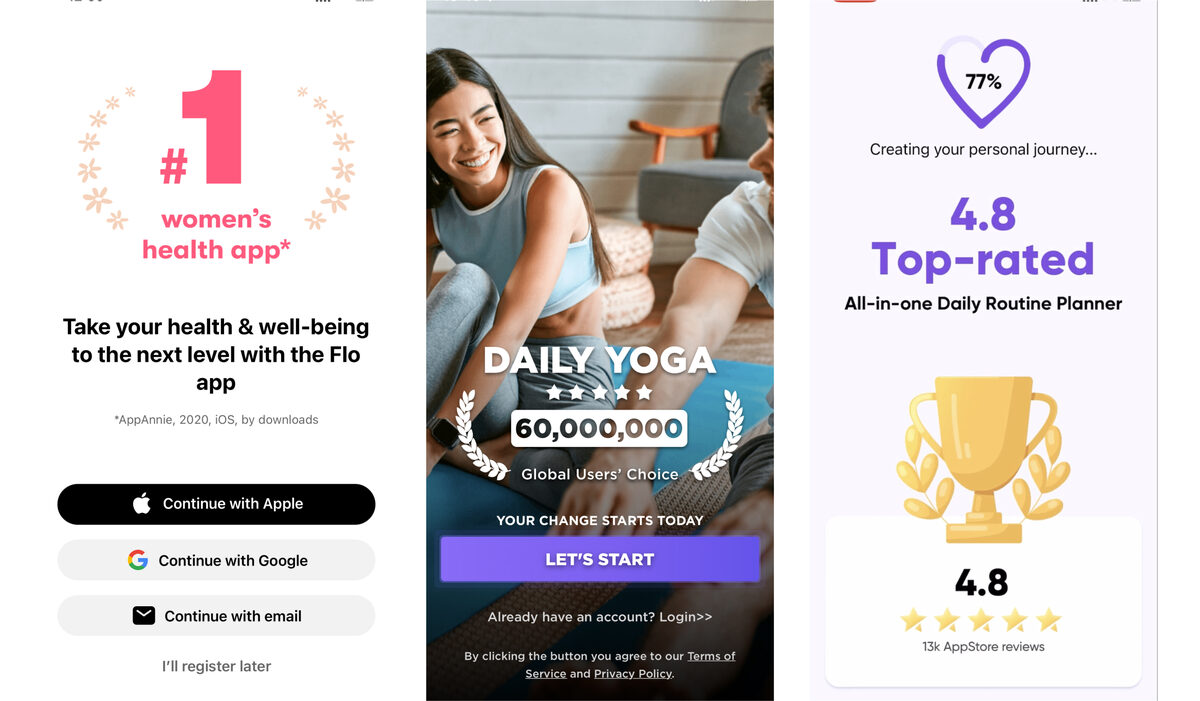
Keep the platform, score, rating count, date, award body, category, and year visible. Do not merge ratings from different sources, hide the sample size, or keep an old award on screen as if it were current.
7. Live activity — Is the product active now?
Live activity signals can answer a different question from total adoption: Is anything happening here now? Current users, recent activity, availability, or verified community participation can make an otherwise static product feel active. This type has the highest authenticity requirement because a fabricated counter is not social proof.
A static screenshot cannot verify a live signal. This guide intentionally does not use one as proof. A current-users or recent-activity counter is credible only when the value can be refreshed and verified when it is shown.
Use only real, current, privacy-safe signals. Define the time window and unit. Show activity that matters to the decision, not a random counter. If the data cannot be verified or refreshed reliably, remove the component.
Why relevance can matter more than volume
In hotel field experiments, a descriptive norm outperformed a standard environmental appeal. In a second experiment, the message about “guests who stayed in this room” performed best among the tested reference groups. The practical lesson is not that one phrase will improve an app. It is that a nearby, credible reference group can be more persuasive than a broad crowd.
Evidence boundary: these were hotel towel-reuse experiments, not onboarding, paywalls, purchases, or app conversion. Treat relevance as a design hypothesis to test, not a promised lift.
When social proof backfires
Social proof can amplify the wrong behavior as easily as the right one. In a household-energy field study, telling low-consuming households that others used more energy increased their consumption. An approval or disapproval cue removed that boomerang effect. The warning for product teams is simple: do not normalize the behavior you want users to avoid.
Evidence boundary: this was a household-energy study, not onboarding, paywalls, or app conversion. Use it as a warning about descriptive norms—not as an estimate of product impact.
Also watch for four practical failure modes: fake or inflated proof, an irrelevant reference group, a claim that cannot be opened or verified, and several proof types stacked until the user no longer knows what matters.
How to implement it
Map the main doubts across the journey. Choose one primary proof type for each important doubt. Verify the evidence before designing the component. Adapt the reference group only when you have real cohort data. Then test the proof at the decision point and watch downstream behavior, not only the immediate click.
Social proof is not decoration. It is evidence matched to uncertainty. Choose proof by the user's doubt—not by the component library.
A five-question social proof audit
1. What uncertainty does this proof resolve?
2. Is the person, group, publication, study, or platform credible to this cohort?
3. Can every quote, number, logo, result, and date be verified?
4. Is this the decision point where the user needs that answer?
5. Does the proof clarify the decision without hiding cost, risk, or uncertainty?
Sources and evidence boundaries
Original author article and archived app examples: https://onboarding.online/social_proof
Goldstein, Cialdini & Griskevicius (2008), hotel field experiments: https://doi.org/10.1086/586910
Schultz et al. (2007), descriptive norms and the boomerang effect: https://doi.org/10.1111/j.1467-9280.2007.01917.x
Product screens are archived examples. They show how proof was presented, not whether it improved conversion or whether the same screen is still live.
Key takeaways
- Start with the doubt, not the component: ask what the user is uncertain about now, and who is credible enough to answer it.
- The strongest number is not always the largest one. It is the number that defines a credible reference group.
- Every quote, number, logo, result and date must be verifiable: show the source, sample, time period and method.
- Social proof can amplify the wrong behavior as easily as the right one: do not normalize the behavior you want users to avoid.
- Test the proof at the decision point and watch downstream behavior, not only the immediate click.