JTBD: How a Deep Understanding of Users Improves Onboarding
In short
The jobs to be done method helps onboarding show how the product solves the user’s problem and remove their concerns. Cover five things: how users see the solution, the barriers that stop them, the circumstances that made them search, how they expect life to change, and their experience with other solutions. Then decide which user groups to address.
The previous article dwelled on onboarding functions. This one will focus on the 5th one, which is particularly helpful for increasing user motivation.
F5: To show how the product solves the user’s problem and address their concerns
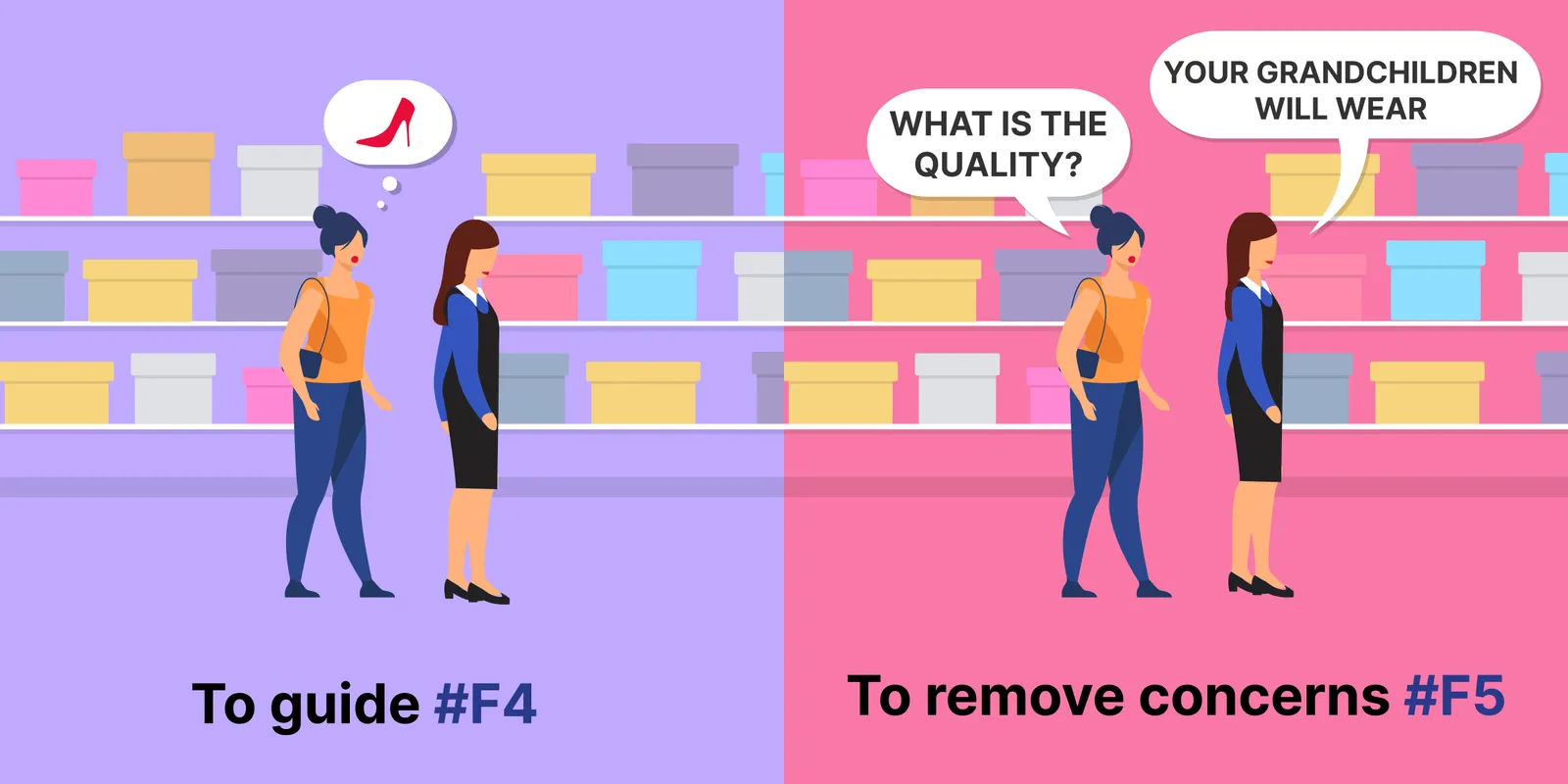
The JTBD methodology can help you understand what is important for a user and turn it to your advantage.
We can use the following:
1. Subtasks—take the user’s expectations about a task solution into account
2. Barriers—remove barriers and fears (everything that can prevent them from benefiting from the product)
3. Contexts—show that you understand the circumstances that push users toward looking for solutions (why they have downloaded the app now)
4. Expectations—consider user expectations about how their life will change after they find the solution
5. Competitors—tell them why you are better than other apps they used earlier
Let’s take an example: a user wants to eat healthy to lose weight.
1. How THE USERS see the solution to a problem (which stages they define and expect)
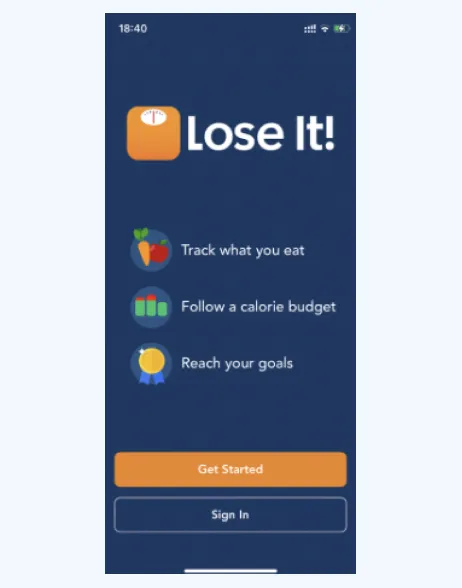
They want to get help with:
- Making a meal plan (what to eat, how much to eat)
- Following it (they lack motivation)
2. What can prevent users from utilizing your product
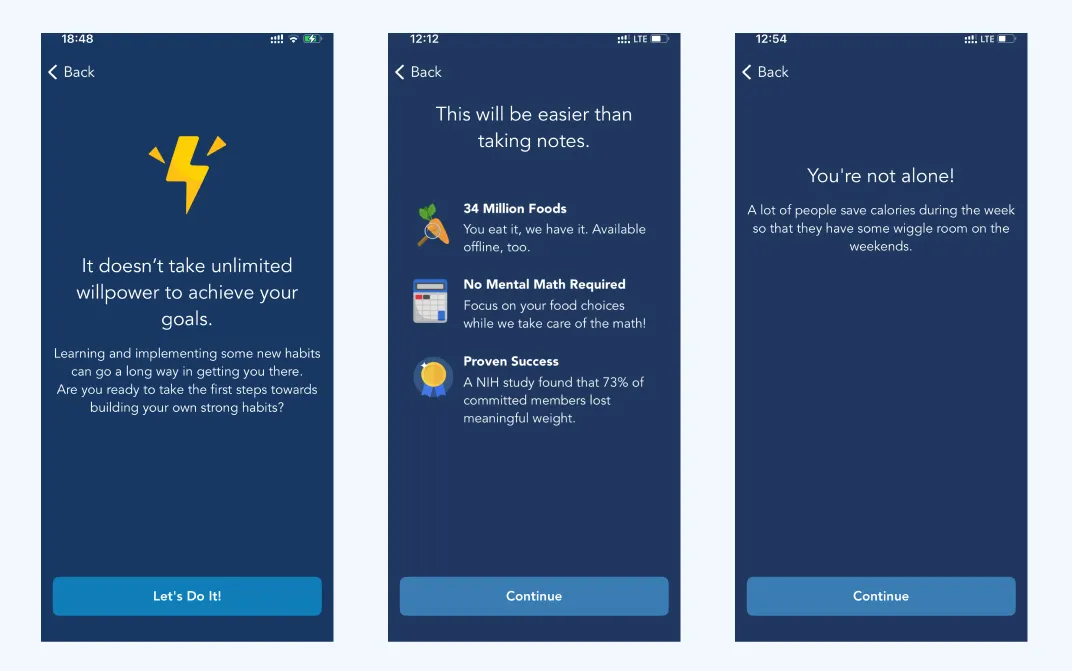
The doubts you need to dispel to make a user get your subscription:
A user wants to understand
- that your solution really works (what if you are a scammer?)
- whether you are competent enough (nutrition is an important topic)
- whether the solution suits them regarding the budget
- whether they have enough time and inner strength
3. Which life circumstances made a user start seeking a solution
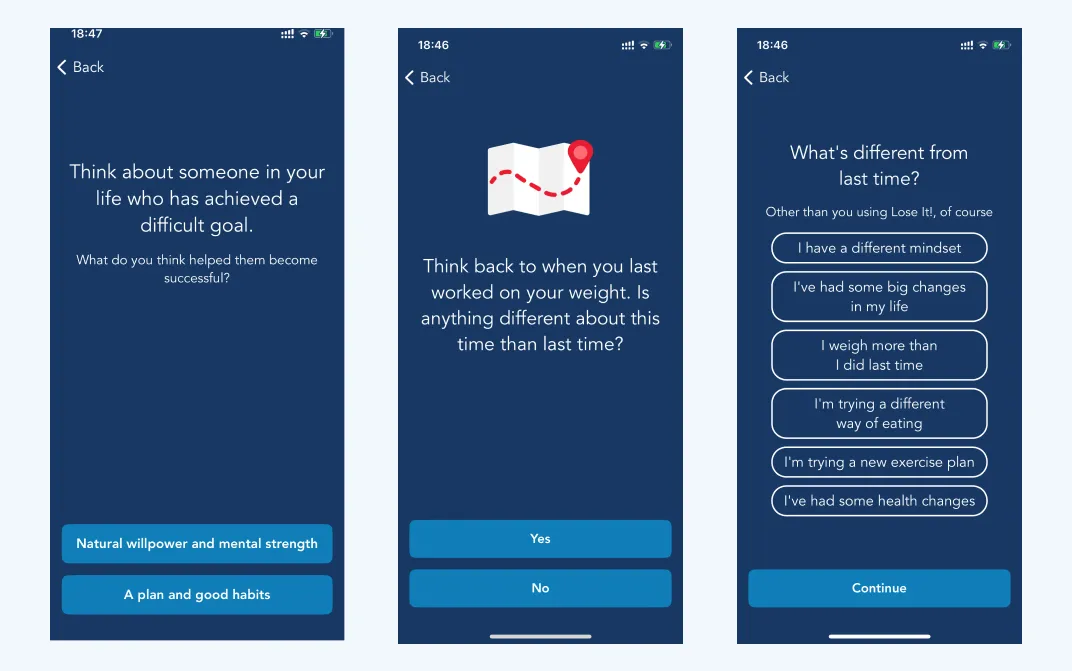
Why they had the idea to lose weight:
- Saw other people’s photos on Instagram and believed that they are not beautiful (slim) enough
- Someone from their circle lost weight, which made the user envious
- Health problems related to extra weight
4. Users’ expectations of how their life will change when they get slimmer
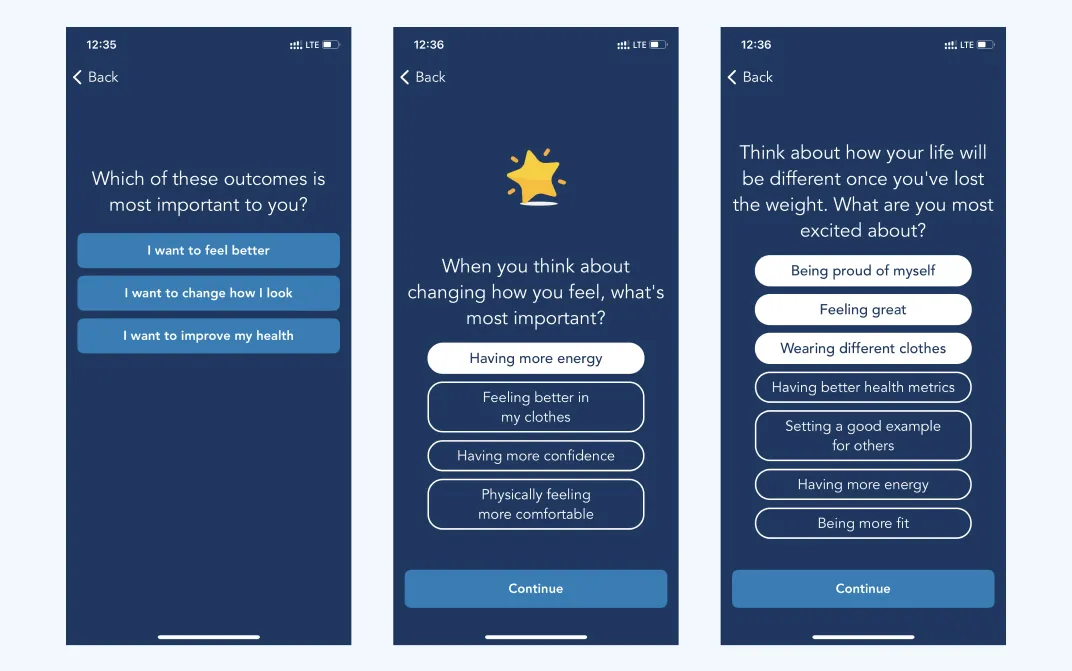
How they see their future after that:
- Improved health
- Feeling more confident at work
- Their partner will like them more
- Being able to get new acquaintances, as they are too modest right now, etc.
5. Experience with other solutions
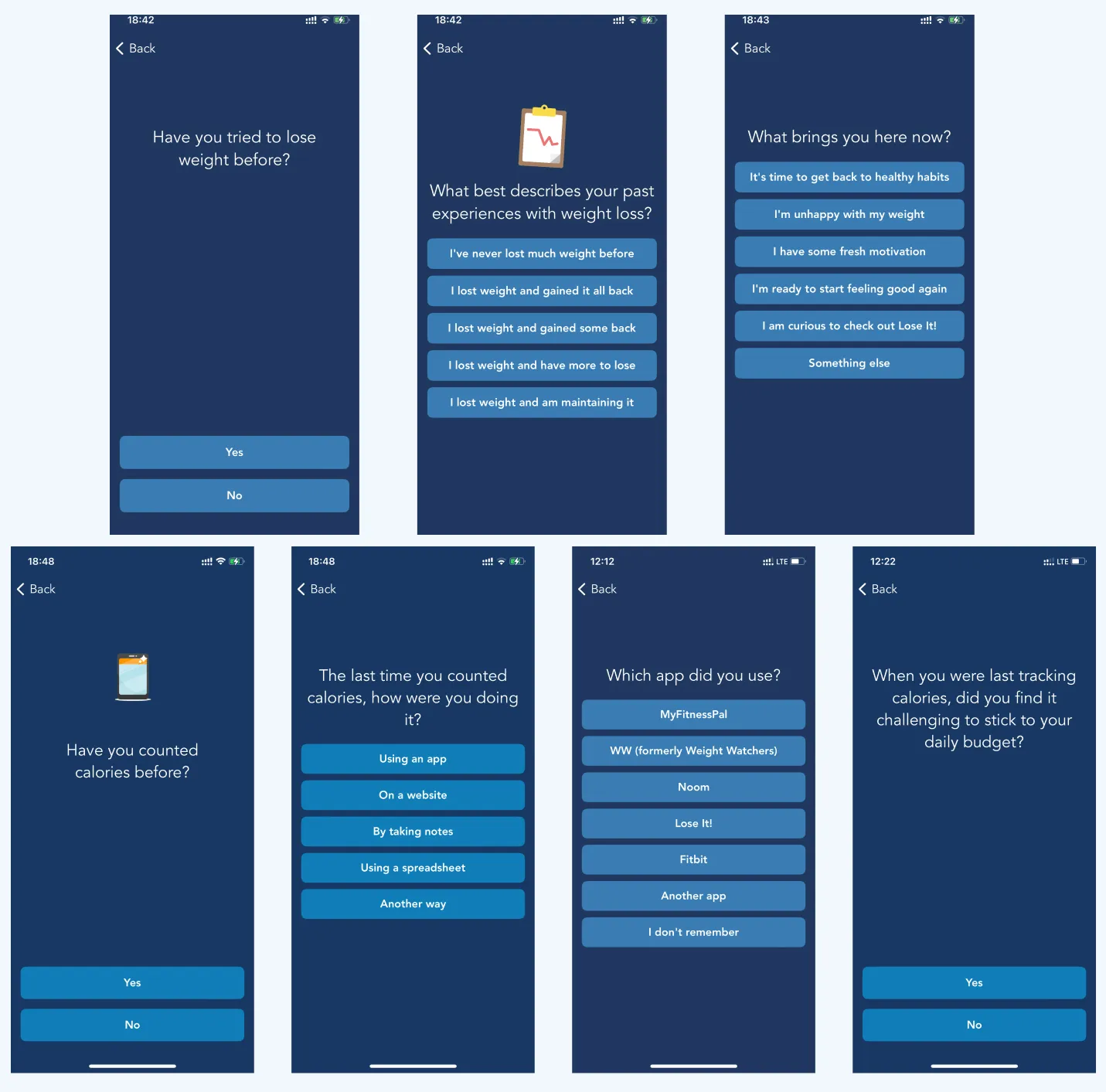
- Consider why they changed their mind (price, difficulty, wrong time, not effective) and take this into account in your onboarding.
These 5 items are typical of any product. However, you should realize that users come with different goals, life circumstances, and expectations.
It’s logical to define the main groups and indicate how to work with them:
- You may segment users and work with each group separately. This is the most effective and expensive strategy, as it’s necessary to design and realize your onboarding strategy for each group.
- You may show everyone the same onboarding by choosing more or less universal texts. However, arguments for one group may not be relevant for other groups, so the general effectiveness decreases.
- You should choose the most relevant group and work with it only (the chances to activate other groups are low).
We’ve explored onboarding in relation to users’ goals and expectations (F5).
In the next article, we’ll find out how to build an onboarding strategy and tactics relying on the concept of difficulty and motivation management.
P.S. For now, you can assess the strategy of the Lose It app—№24 in Health & Fitness, 109 onboarding screens!
Downloads - 100K, Revenue - 2M
You can find the full review of its onboarding here.
Key takeaways
- The fifth onboarding function, showing how the product solves the user’s problem and addressing their concerns, is especially helpful for raising motivation.
- JTBD gives onboarding five levers: subtasks, barriers, contexts, expectations and competitors.
- For a user who wants to eat healthily to lose weight, the doubts to dispel include whether the solution works, whether you are competent, and whether it fits their budget and time.
- Users come with different goals, so segment them, show everyone one universal onboarding, or work only with the most relevant group.
- Segmenting users and working with each group separately is the most effective strategy and also the most expensive.